

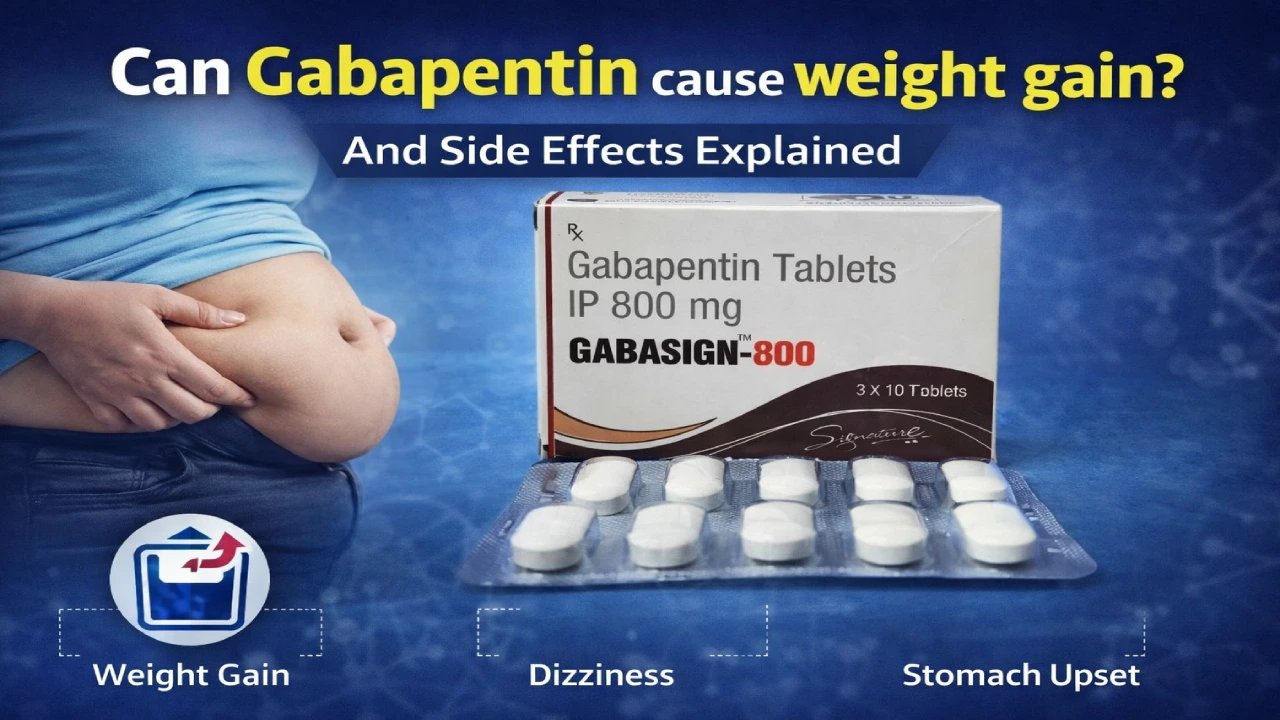
Gabapentin is one of the most widely prescribed medications for nerve pain — but millions of patients have the same pressing question: does gabapentin cause weight gain? And what other gabapentin side effects should you watch out for?
In this comprehensive guide, we break down everything you need to know about gabapentin weight gain, the full side effect profile of this nerve pain medication, serious risks to be aware of, and practical steps you can take to manage the effects safely.
📋 In This Article
- What Is Gabapentin?
- Does Gabapentin Cause Weight Gain?
- Why Does Gabapentin Cause Weight Gain?
- Complete Gabapentin Side Effects List
- Common Side Effects Explained
- Serious Risks and Warning Signs
- How to Manage Gabapentin Weight Gain
- Special Populations: Who Needs Extra Caution?
- What Happens When You Stop Gabapentin?
- Frequently Asked Questions
What Is Gabapentin?
Gabapentin is an anticonvulsant and analgesic medication originally developed to treat epilepsy. Today it is most widely prescribed for neuropathic (nerve) pain — the burning, shooting, or tingling discomfort caused by damaged or overactive nerves.
Common conditions treated with gabapentin include:
- Diabetic peripheral neuropathy
- Postherpetic neuralgia (pain after shingles)
- Peripheral neuropathy from various causes
- Fibromyalgia (off-label in some regions)
- Restless leg syndrome
- Adjunct therapy in certain seizure disorders
It is available in various strengths. One high-strength option is Gabasign 800 mg Gabapentin Tablets — an 800 mg formulation used for moderate-to-severe nerve pain under physician supervision.
Unlike opioids, gabapentin does not act on opioid receptors. Instead, it targets voltage-gated calcium channels in the nervous system to calm overactive nerve signals that produce pain.
📊 Quick Fact: Gabapentin was first approved by the FDA in 1993 for epilepsy, with its neuropathic pain indication approved in 2002 for postherpetic neuralgia. It is now one of the top 10 most prescribed drugs in the United States.
Does Gabapentin Cause Weight Gain?
The short answer is: yes, gabapentin can cause weight gain in some patients — and this is one of the most frequently reported concerns among long-term users.
Clinical studies and post-marketing data confirm that weight gain is a recognised side effect, particularly with prolonged use. Research suggests that weight increases of 2–5 kg (approximately 4–11 lbs) over several months are not uncommon in susceptible individuals.
The weight gain associated with gabapentin tends to be more pronounced in patients who:
- Take higher doses (e.g., 1,800 mg/day or more)
- Use gabapentin for extended periods (6+ months)
- Experience increased appetite as a direct medication effect
- Have a sedentary lifestyle due to their underlying pain condition
That said, not everyone gains weight on gabapentin. Studies suggest roughly 10–15% of long-term users experience clinically significant weight changes. For many, any change is modest and manageable.
⚠️ Important: Do not stop taking gabapentin suddenly if you are concerned about weight gain. Abrupt discontinuation can cause withdrawal symptoms including anxiety, insomnia, and in some cases seizures. Always speak to your doctor before making any changes to your dosage.
Why Does Gabapentin Cause Weight Gain?
There are several mechanisms — and in most patients it is likely a combination of factors:
1. Increased Appetite
Many patients report a noticeable increase in appetite and cravings, particularly for carbohydrates. Gabapentin may influence hunger-regulating pathways in the brain, though the exact mechanism is not fully understood.
2. Fluid Retention (Peripheral Oedema)
Swelling of the hands, feet, and ankles caused by fluid accumulation is one of gabapentin’s well-documented side effects. This fluid retention directly contributes to weight gain on the scale — even without any change in body fat. It can appear within the first few weeks of starting treatment.
3. Reduced Physical Activity
Gabapentin causes drowsiness and fatigue in many users. When patients feel too tired or dizzy to exercise, reduced calorie expenditure naturally leads to gradual weight gain over time.
4. Metabolic Changes
Some research suggests gabapentin may subtly affect glucose metabolism and insulin sensitivity in certain individuals, though this area requires further study.
💡 Clinical Note: Weight gain on gabapentin tends to plateau rather than continue indefinitely. Many patients find that initial weight increases stabilise after 3–6 months of treatment, particularly when dietary habits are actively managed.
Complete Gabapentin Side Effects List
Weight gain is just one part of the picture. Here is a comprehensive overview of gabapentin side effects categorised by frequency:
| Side Effect | Frequency | Notes |
|---|---|---|
| Dizziness | Common | Most frequently reported; worse at higher doses or when standing quickly |
| Drowsiness / Sedation | Common | Can be significant; may affect driving or operating machinery |
| Fatigue | Common | Low energy, especially during dose initiation or increases |
| Weight Gain | Common | Due to fluid retention, appetite increase, and reduced activity |
| Peripheral Oedema (Swelling) | Common | Swelling of feet, ankles, and hands; contributes to scale weight |
| Ataxia (Coordination Problems) | Common | Unsteady gait; increased fall risk especially in older adults |
| Memory / Cognitive Impairment | Uncommon | Difficulty concentrating, “brain fog”; more common in elderly patients |
| Mood Changes / Depression | Uncommon | FDA black-box warning: monitor for suicidal thoughts |
| Nausea / Vomiting | Uncommon | Taking tablets with food usually reduces this effect |
| Blurred Vision | Uncommon | Usually transient; report persistent changes to your doctor |
| Respiratory Depression | Rare | Risk increases significantly when combined with opioids or CNS depressants |
| Stevens-Johnson Syndrome | Rare | Severe skin reaction — seek immediate emergency medical care |
| Anaphylaxis | Rare | Severe allergic response — constitutes a medical emergency |
⚠️ FDA Black-Box Warning: The FDA requires gabapentin labelling to carry a black-box warning about the risk of serious respiratory depression, particularly when combined with opioid medications, benzodiazepines, alcohol, or other CNS depressants. Always inform your doctor about every medication and supplement you are currently taking.
Common Gabapentin Side Effects in Detail
Dizziness and Drowsiness
These are the most frequently reported gabapentin side effects. Dizziness occurs in up to 28% of patients in clinical trials and drowsiness in up to 20%. Both are most pronounced when starting the medication or increasing the dose. For many patients, these effects diminish after 1–2 weeks as the body adjusts. Taking the majority of your daily dose in the evening can help reduce daytime sedation.
Peripheral Oedema (Swelling)
Swelling of the legs, ankles, and feet occurs in roughly 8% of patients. It is more common at higher doses and in elderly patients. While generally not dangerous for most people, oedema should be reported to your doctor — particularly if you have heart or kidney conditions. This swelling directly contributes to the weight gain many patients notice on the scale.
Ataxia and Balance Problems
Gabapentin affects cerebellar function, which can impair balance and gait. Older adults are at particular risk of falls as a result. If you experience noticeable unsteadiness, discuss a dose review with your doctor and consider fall prevention measures in your home.
Cognitive Effects (“Brain Fog”)
Some patients experience difficulty concentrating, short-term memory lapses, or a general sense of mental sluggishness. These effects are more common with higher doses and in older adults. They often improve with dose reduction.
Serious Risks: When to Seek Medical Help Immediately
While most gabapentin side effects are manageable, the following require urgent medical attention. Seek emergency care or contact your doctor immediately if you experience:
- Difficulty breathing or very shallow breathing — especially if also taking any opioid medication
- Suicidal thoughts or a sudden worsening of depression or anxiety
- Skin rash, blistering, peeling, or mouth sores — could indicate Stevens-Johnson syndrome
- Severe swelling of the face, lips, tongue, or throat — signs of anaphylaxis
- Severe confusion or sudden significant memory loss
- Severe abdominal pain with nausea and vomiting — could indicate pancreatitis
- Yellowing of the skin or eyes (jaundice)
⚠️ Important Drug Interactions
Gabapentin has potentially dangerous interactions with: opioid pain relievers (morphine, codeine, oxycodone, hydrocodone), benzodiazepines (diazepam, lorazepam), alcohol and sedative substances, and antacids containing aluminium or magnesium (which reduce gabapentin absorption). Always provide your doctor and pharmacist with a complete list of your medications.
How to Manage Weight Gain on Gabapentin
If you are experiencing gabapentin weight gain, these strategies can make a meaningful difference without compromising your pain management:
1. Monitor Your Weight Regularly
Weigh yourself at the same time each day (morning, before eating) and keep a simple log. Distinguishing between rapid fluid-related weight gain (oedema) and gradual fat accumulation helps your doctor choose the most appropriate intervention.
2. Adjust Your Diet
Focus on whole foods, lean proteins, and high-fibre vegetables. Reduce processed carbohydrates, added sugars, and ultra-processed snacks — which tend to be the foods patients crave most when appetite increases on gabapentin. Protein-rich meals and high-fibre foods promote satiety and help resist cravings.
3. Stay as Active as Possible
Even light activity has significant metabolic and mental health benefits. Chair-based exercises, gentle walking, yoga, or swimming are often well-tolerated even when drowsiness or pain is present. Discuss safe activity levels with your doctor or physiotherapist given your condition.
4. Address Oedema Directly
If fluid retention is contributing to weight gain, your doctor may recommend elevating your legs when resting, compression stockings, or dose adjustments. Do not self-prescribe diuretics, as these can interact with gabapentin and place additional strain on the kidneys.
5. Review Dose Timing
Taking the majority of your daily dose in the evening can reduce daytime sedation, making it easier to stay active and eat mindfully during the day. Discuss this approach with your prescribing doctor before changing your schedule.
6. Discuss Alternatives With Your Doctor
If weight gain is significantly affecting your quality of life, ask about alternative medications. Pregabalin, duloxetine, or topical treatments may offer comparable pain relief with a different side effect profile depending on your case.
💡 Tip: Working with a registered dietitian during the first 3–6 months of gabapentin treatment — when weight changes are most likely — can significantly reduce long-term impact on body weight.
Featured Product
Gabasign 800 mg Gabapentin Tablets
High-strength 800 mg gabapentin for moderate to severe neuropathic pain. Manufactured by Signature Pharmaceuticals Ltd. Prescription-only — always use under medical supervision.
Special Populations: Who Needs Extra Caution?
Elderly Patients
Older adults face significantly elevated risks from gabapentin side effects, particularly dizziness, ataxia, and cognitive impairment. Reduced kidney clearance that comes with age means gabapentin accumulates at higher plasma levels. Doctors typically start elderly patients on much lower doses and titrate very slowly. Fall prevention — including reviewing the home environment for hazards — is a priority.
Patients With Kidney Disease
Gabapentin is almost entirely cleared by the kidneys. Even mild renal impairment substantially increases drug accumulation and the risk of side effects. Dose adjustments based on creatinine clearance (eGFR) are mandatory for anyone with chronic kidney disease. Regular kidney function monitoring is essential during long-term treatment.
Pregnant and Breastfeeding Women
Gabapentin crosses the placenta and is present in breast milk. Its use during pregnancy has been associated with an increased risk of congenital abnormalities and neonatal withdrawal symptoms. It should only be used when the potential benefit clearly outweighs the risk, and only under specialist supervision.
Patients With Mental Health Conditions
Patients with a prior history of depression, anxiety, or suicidal ideation require particularly close monitoring when starting gabapentin, as the FDA has issued a black-box warning regarding increased risk of suicidal thoughts across all anticonvulsant medications.
What Happens When You Stop Gabapentin?
Gabapentin should never be stopped abruptly after regular use. Physical dependence develops over time, and sudden discontinuation can cause a withdrawal syndrome including:
- Anxiety, agitation, and restlessness
- Sweating and tremors
- Insomnia and nightmares
- Nausea and vomiting
- Flu-like symptoms
- In severe cases: seizures
A gradual taper over a minimum of one week — and often several weeks for higher doses — is the standard approach. Your doctor will create a personalised tapering schedule based on your dose, duration of use, and individual health factors.
⚠️ Potential for Misuse: Gabapentin has recognised abuse potential, particularly in individuals with a history of substance use disorders. It can produce euphoric effects at high doses and is a prescription-only medication requiring professional oversight. Never share your prescription gabapentin with others.
Frequently Asked Questions About Gabapentin Side Effects
Does everyone gain weight on gabapentin?
No. Weight gain is a real but not universal side effect. Studies suggest approximately 10–15% of long-term users experience clinically significant weight changes. Many patients maintain stable weight throughout treatment, especially at lower doses and with attention to diet and activity levels.
How quickly does gabapentin weight gain occur?
Fluid retention (oedema) can appear within the first few weeks of treatment. Fat-related weight gain tends to develop more gradually over 3–6 months and generally plateaus rather than continuing to increase indefinitely.
Will the weight go away after stopping gabapentin?
Fluid-related weight gain often resolves within weeks of safely tapering and discontinuing gabapentin. Fat gain may be more persistent but generally responds to dietary changes and increased activity once the drug-induced appetite increase is no longer present.
Can gabapentin affect mood or mental health?
Yes. The FDA requires a black-box warning about increased risk of suicidal ideation and behaviour. Mood changes, depression, and increased anxiety have all been reported, particularly at higher doses and in patients with prior psychiatric history. Always report any mood changes to your doctor promptly.
Is it safe to drink alcohol while taking gabapentin?
No. Alcohol significantly amplifies the CNS-depressant effects of gabapentin, increasing the risk of severe drowsiness, respiratory depression, and loss of coordination. Alcohol should be avoided entirely during gabapentin treatment.
How long does it take gabapentin to work for nerve pain?
Some patients notice partial relief within the first few days, but optimal nerve pain control typically requires 2–4 weeks of consistent dosing at a therapeutic level. Since most doctors titrate the dose slowly upward, the full therapeutic effect may not be reached for several weeks.
Is 800 mg of gabapentin a high dose?
800 mg per tablet is a high-strength formulation. Daily gabapentin doses for neuropathic pain typically range from 900 mg to 3,600 mg, divided across 2–3 doses per day. A formulation like Gabasign 800 mg taken multiple times daily represents a near-maximum dose appropriate for moderate to severe nerve pain under direct physician supervision.
Can I take gabapentin with food?
Yes. Gabapentin can be taken with or without food. Taking it with food may reduce nausea in patients who experience gastrointestinal side effects. High-fat meals can slightly increase absorption, but this is not clinically significant at standard doses.
The Bottom Line
Gabapentin is a genuinely effective medication for neuropathic pain — a condition that responds poorly to standard painkillers and can be profoundly debilitating. For many patients with diabetic neuropathy, postherpetic neuralgia, and related disorders, the relief it provides is life-changing.
At the same time, gabapentin weight gain is a legitimate concern driven by fluid retention, increased appetite, and fatigue that reduces physical activity. Understanding these mechanisms allows patients to proactively manage their lifestyle during treatment rather than being caught off guard.
The broader gabapentin side effects profile — dizziness, drowsiness, ataxia, cognitive changes, and the rarer but serious risks of respiratory depression and mood disturbance — underscores why this nerve pain medication must always be used under proper medical supervision, with regular monitoring and open communication with your healthcare provider.
If you have questions about gabapentin dosing options, including high-strength 800 mg formulations, speak with a qualified healthcare professional who can assess your individual circumstances.