

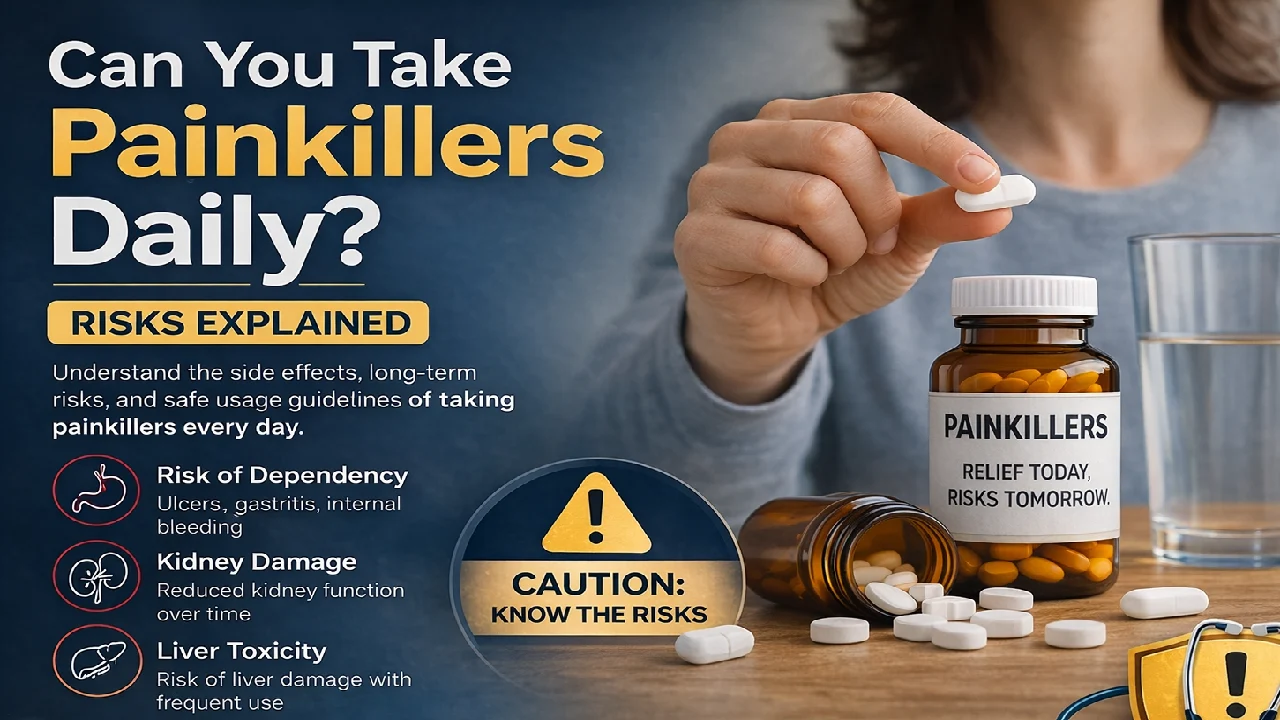
Pain is one of the most common health complaints worldwide, affecting millions of people daily. From chronic back pain and arthritis to nerve-related conditions, many individuals rely on painkillers to maintain their quality of life. But a critical question often arises: can you take painkillers daily?
While pain medications can provide effective relief, long-term or daily use carries significant risks. Understanding how these drugs work, their potential side effects, and safe usage practices is essential—especially for individuals managing chronic pain conditions.
What Are Painkillers?
Painkillers, also known as analgesics, are medications designed to reduce or eliminate pain. They are broadly categorized into three main types:
1. Non-Opioid Painkillers
These include:
- Paracetamol (acetaminophen)
- Nonsteroidal anti-inflammatory drugs (NSAIDs) like ibuprofen and aspirin
They are commonly used for mild to moderate pain and inflammation.
2. Opioid Painkillers
These are stronger medications such as:
- Tapentadol
- Tramadol
- Oxycodone
They are typically prescribed for moderate to severe pain but come with a higher risk of dependence.
3. Adjuvant Pain Medications
These include drugs used for specific types of pain, especially nerve-related pain:
- Pregabalin
- Gabapentin
They are often prescribed for conditions like neuropathy and fibromyalgia.
Is It Safe to Take Painkillers Every Day?
The answer depends on several factors, including the type of medication, dosage, duration of use, and individual health conditions.
Short-Term vs Long-Term Use
- Short-term use (a few days to weeks) is generally safe when taken as directed.
- Long-term daily use increases the risk of side effects and complications.
Doctor Supervision Is Key
Daily use of painkillers should only occur under medical supervision. Self-medicating regularly without guidance can lead to serious health consequences.
Risks of Taking Painkillers Daily
Regular use of painkillers can affect multiple organs and systems in the body. Below are the most important risks to understand.
1. Liver Damage
Frequent use of medications like paracetamol can lead to liver toxicity, especially at high doses. The liver processes most medications, and excessive strain can result in long-term damage or even liver failure.
2. Kidney Problems
NSAIDs such as ibuprofen can reduce blood flow to the kidneys. Over time, this may lead to:
- Kidney impairment
- Fluid retention
- Increased blood pressure
People with pre-existing kidney issues are at higher risk.
3. Gastrointestinal Issues
Long-term use of NSAIDs can irritate the stomach lining, causing:
- Gastritis
- Stomach ulcers
- Internal bleeding
These risks increase with age and prolonged use.
4. Dependency and Addiction
Opioid-based painkillers carry a significant risk of physical and psychological dependence. Daily use can lead to:
- Tolerance (needing higher doses)
- Withdrawal symptoms
- Addiction
This is one of the most serious concerns with long-term pain management.
5. Reduced Effectiveness Over Time
When taken daily, the body may become less responsive to painkillers. This leads to:
- Higher required doses
- Increased side effects
- Reduced pain control
6. Increased Risk of Heart Problems
Certain NSAIDs have been linked to:
- Heart attack
- Stroke
- Blood clot formation
This risk is particularly significant in people with cardiovascular conditions.
Also Read: Can gabapentin cause weight gain and side effects explained
When Daily Painkiller Use May Be Necessary
In some cases, daily pain relief is required for managing chronic conditions such as:
- Arthritis
- Chronic back pain
- Neuropathic pain
- Post-surgical recovery
However, even in these situations, doctors usually recommend:
- The lowest effective dose
- Regular monitoring
- Alternative therapies when possible
Safer Ways to Use Painkillers
If daily use is unavoidable, following safe practices can reduce risks.
Follow Prescribed Dosage
Never exceed the recommended dose. Taking more does not increase effectiveness but significantly raises the risk of harm.
Avoid Mixing Medications
Combining different painkillers or taking them with alcohol can lead to dangerous interactions.
Take Breaks When Possible
Using painkillers intermittently rather than continuously can help reduce long-term risks.
Monitor Your Health
Regular check-ups, including liver and kidney function tests, are essential for long-term users.
Alternatives to Daily Painkiller Use
Managing pain doesn’t always require continuous medication. Consider these alternatives:
Physical Therapy
Helps improve mobility and reduce pain naturally.
Exercise and Stretching
Strengthening muscles can alleviate chronic pain conditions.
Lifestyle Changes
- Healthy diet
- Weight management
- Stress reduction
Non-Drug Therapies
- Acupuncture
- Massage therapy
- Heat and cold therapy
These approaches can reduce reliance on medications.
Signs You May Be Overusing Painkillers
Watch for these warning signs:
- Needing higher doses for the same effect
- Taking medication even when pain is mild
- Experiencing withdrawal symptoms
- Frequent stomach pain or fatigue
If you notice these symptoms, seek medical advice immediately
Frequently Asked Questions
Can I take paracetamol every day?
It can be safe in recommended doses for short periods, but long-term use should be monitored by a doctor.
Are opioids safe for daily use?
Only under strict medical supervision due to the high risk of dependence and side effects.
What is the safest painkiller for long-term use?
There is no completely risk-free option. The safest choice depends on your condition and medical history.
Conclusion
Taking painkillers daily is not inherently unsafe, but it carries significant risks when done without proper guidance. From liver and kidney damage to dependency and reduced effectiveness, long-term use requires careful management.
If you rely on pain medication regularly, consult a healthcare professional to develop a safe and effective treatment plan. Combining medical advice with lifestyle changes and alternative therapies can help you manage pain while minimizing risks.
Looking for reliable pain relief solutions? Explore high-quality medications and expert-backed guidance at Pain Relief Store 24, where safety and effectiveness come first.
Also Read: How Pregabalin Works for Nerve Pain and Anxiety Disorders