

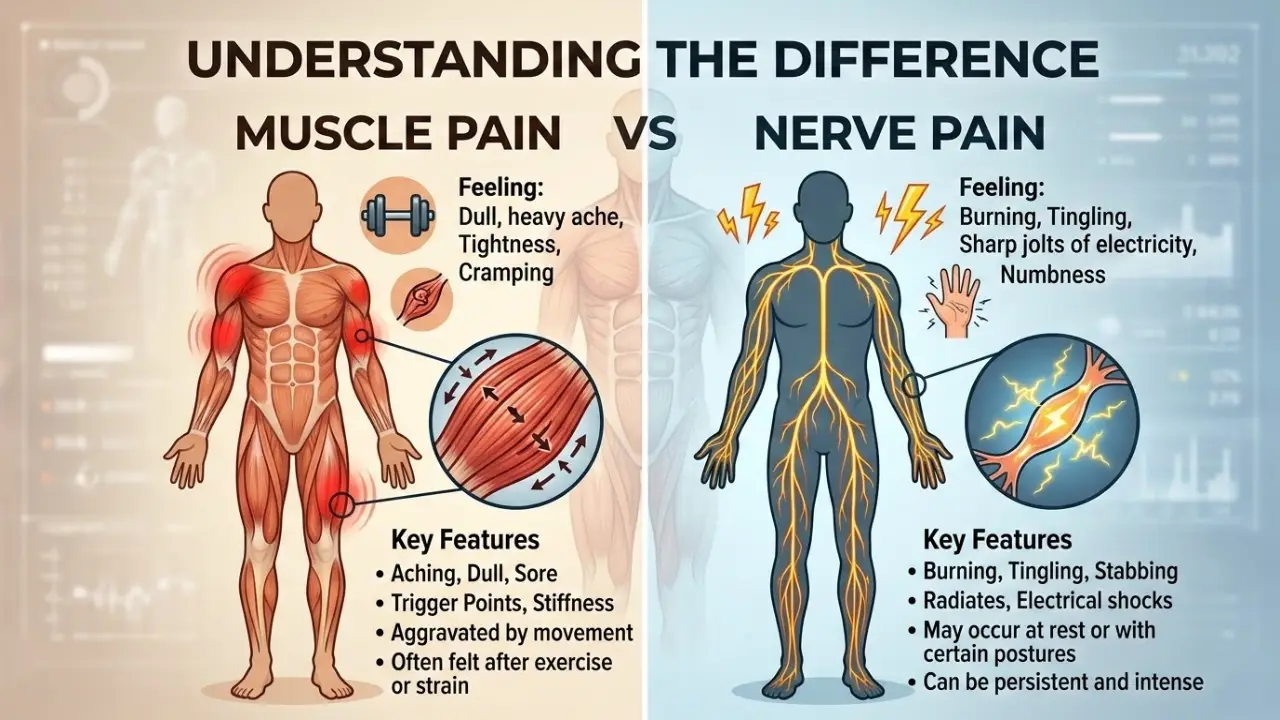
Pain is one of the body’s most important warning signals, but not all pain feels the same. Two of the most common types are muscle pain and nerve pain. Although both can affect daily activities, sleep quality, and overall well-being, they have different causes, symptoms, and treatment approaches.
Understanding the difference between the muscle relaxant carisoprodol online and gabapentin for nerve pain online can help you seek appropriate treatment and find effective relief from either. Whether you’re dealing with soreness after exercise or persistent discomfort caused by nerve damage, knowing the source of your pain is the first step toward recovery.
What Is Muscle Pain?
Muscle pain, also known as myalgia, occurs when muscles become strained, injured, overworked, or inflamed. It is one of the most common forms of physical discomfort and can affect people of all ages.
Common Causes of Muscle Pain
- Physical overexertion
- Sports injuries
- Poor posture
- Stress and tension
- Muscle strains or sprains
- Viral infections such as flu
- Chronic conditions like fibromyalgia
Symptoms of Muscle Pain
Muscle pain is often described as:
- Aching or throbbing
- Tenderness when touched
- Stiffness
- Cramping
- Localized soreness
The discomfort is usually concentrated in a specific area and may worsen with movement or physical activity.
What Is Nerve Pain?
Nerve pain, also known as neuropathic pain, occurs when nerves are damaged, irritated, or malfunctioning. Unlike muscle pain, nerve pain originates within the nervous system itself and often feels very different.
Common Causes of Nerve Pain
- Diabetes-related neuropathy
- Herniated discs
- Sciatica
- Shingles
- Multiple sclerosis
- Physical trauma
- Nerve compression injuries
Symptoms of Nerve Pain
People with nerve pain commonly experience:
- Burning sensations
- Sharp, shooting pain
- Electric shock-like feelings
- Tingling or “pins and needles”
- Numbness
- Increased sensitivity to touch
Nerve pain may travel along the path of a nerve and can affect larger areas of the body.
Key Differences Between Muscle Pain and Nerve Pain
| Feature | Muscle Pain | Nerve Pain |
|---|---|---|
| Sensation | Aching, soreness, cramping | Burning, shooting, electric-like |
| Location | Usually localized | Can radiate along nerves |
| Cause | Muscle strain or inflammation | Nerve damage or dysfunction |
| Trigger | Movement or pressure | May occur without movement |
| Associated Symptoms | Stiffness and tenderness | Tingling, numbness, weakness |
Recognising these differences can help healthcare providers identify the underlying cause and recommend the most effective treatment plan.
When Should You Seek Medical Attention?
While mild muscle pain often improves with rest and self-care, persistent or severe pain should not be ignored.
Seek medical advice if you experience:
- Pain lasting several weeks
- Significant weakness
- Numbness or loss of sensation
- Difficulty walking
- Sudden severe pain
- Pain that disrupts sleep regularly
Early diagnosis can prevent complications and improve treatment outcomes.
Treatment Options for Muscle Pain
Treatment for muscle pain typically focuses on reducing inflammation and supporting healing.
Common approaches include:
- Rest and activity modification
- Gentle stretching
- Physical therapy
- Heat and cold therapy
- Anti-inflammatory medications
- Massage therapy
Maintaining proper hydration and nutrition can also support muscle recovery.
Treatment Options for Nerve Pain
Because nerve pain has a different origin, treatment often requires specialised approaches.
Potential treatments include:
- Prescription medications
- Physical therapy
- Nerve blocks
- Lifestyle modifications
- Management of underlying conditions
- Pain management programs
For individuals suffering from moderate to severe chronic pain, healthcare professionals may prescribe medications such as tapentadol under appropriate medical supervision.
Accessing Pain Relief Safely Online
Many patients today prefer the convenience of purchasing medications through a trusted online pharmacy for pain relief. Online healthcare services can provide consultations, prescriptions, and medication delivery while helping patients access appropriate treatment options.
When using an online pain meds shop in the USA, it is important to choose licensed providers that follow healthcare regulations and require proper medical evaluation before dispensing prescription medications.
Some patients explore options to buy tapentadol online in the USA for chronic pain management. However, tapentadol is a prescription medication and should only be used under professional medical guidance. Reputable services offering tapentadol prescription online consultations help ensure that treatment is both safe and appropriate for the patient’s condition.
Lifestyle Tips for Managing Pain
Whether your discomfort is muscular or nerve-related, healthy habits can make a significant difference.
Consider:
- Regular low-impact exercise
- Maintaining a healthy weight
- Practicing good posture
- Managing stress
- Getting adequate sleep
- Following prescribed treatment plans
Combining medical care with lifestyle improvements often produces the best long-term results.
Conclusion
Muscle pain and nerve pain may seem similar at first, but they differ significantly in their causes, symptoms, and treatment methods. Muscle pain is usually associated with soreness, stiffness, and physical strain, while nerve pain is often characterised by burning, tingling, and shooting sensations.
Understanding these differences can help you seek the right care and improve your quality of life. If pain becomes persistent or severe, consult a qualified healthcare professional for proper diagnosis and treatment. Whether seeking support through a trusted online pharmacy for pain relief, using an online pain meds shop in the USA, exploring options to buy tapentadol online in the USA, or obtaining a tapentadol prescription online, prioritising safety and professional medical guidance is essential for effective pain management.