

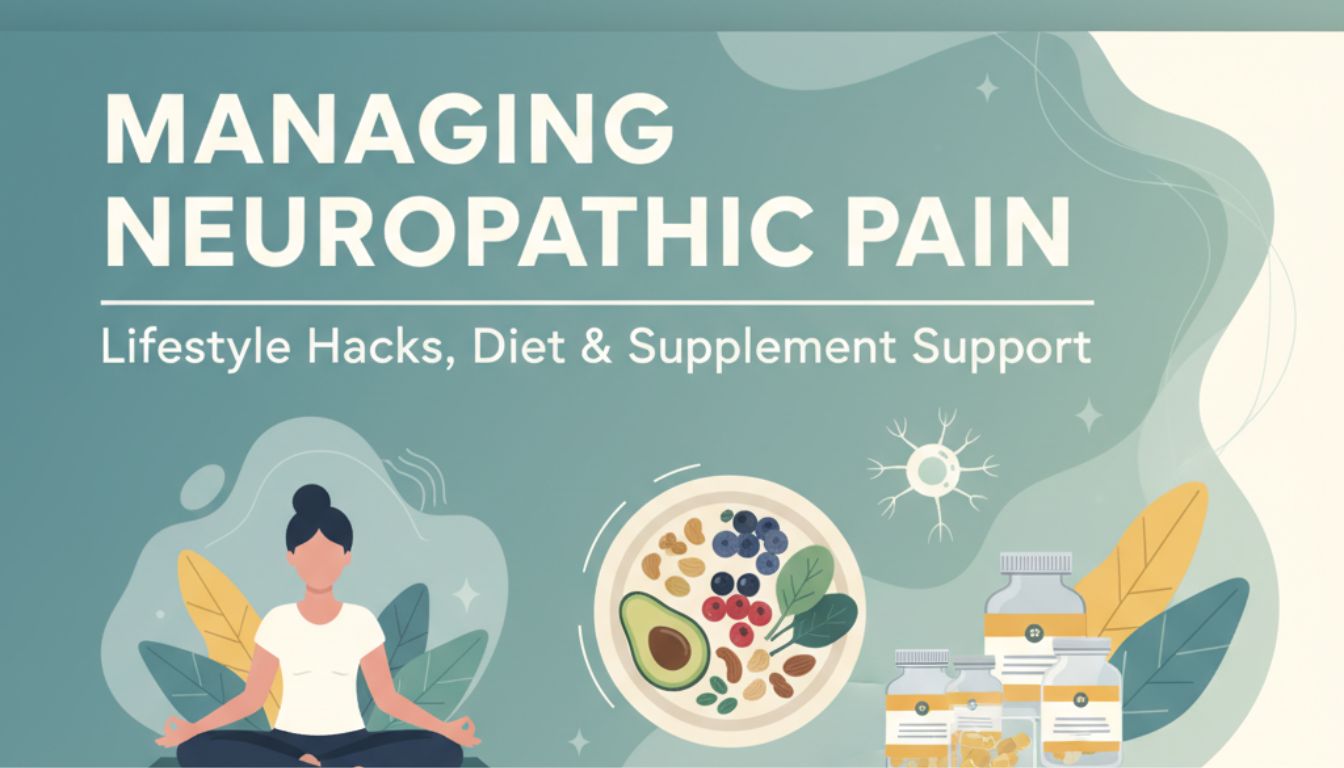
Neuropathic pain is a chronic condition caused by damage or dysfunction of the nerves. Unlike typical pain that results from injury or inflammation, neuropathic pain originates from the nervous system itself. It often feels like burning, tingling, numbness, or shooting pain — and can significantly impact daily life.
While medications can offer relief, many people find that combining lifestyle changes, a targeted diet, and the right supplements can make a major difference in their overall comfort and quality of life. This guide explores practical, evidence-based strategies to help manage neuropathic pain naturally and effectively.
Contents
What Is Neuropathic Pain?
Neuropathic pain occurs when nerves are injured or malfunction, sending incorrect pain signals to the brain. Common causes include:
- Diabetes (diabetic neuropathy)
- Nerve compression or trauma
- Infections such as shingles (postherpetic neuralgia)
- Chemotherapy or radiation treatments
- Vitamin deficiencies or autoimmune conditions
Common Symptoms:
- Burning or stabbing pain
- Tingling and numbness
- Sensitivity to touch or temperature
- Muscle weakness
- Difficulty sleeping due to pain
Managing neuropathic pain requires a holistic approach — not just relying on painkillers but also supporting nerve health and calming the nervous system.
1. Lifestyle Hacks to Ease Neuropathic Pain
A. Prioritize Gentle, Consistent Movement
Regular physical activity improves blood circulation, enhances nerve function, and releases endorphins (natural pain relievers). Activities like walking, swimming, or yoga are especially helpful.
Tips:
- Start with 10–15 minutes of low-impact exercise daily
- Gradually increase intensity and duration
- Focus on stretching to reduce stiffness and pain
B. Maintain a Healthy Sleep Schedule
Poor sleep worsens pain sensitivity and nerve discomfort. A solid sleep routine can improve both physical and emotional well-being.
Sleep Tips:
- Go to bed and wake up at the same time daily
- Avoid caffeine or heavy meals at night
- Use a supportive mattress and keep the room cool
C. Practice Stress-Reduction Techniques
Stress increases inflammation and heightens pain perception. Simple relaxation techniques can calm the nervous system.
Effective Stress Relief Options:
- Deep breathing exercises
- Guided meditation or mindfulness apps
- Tai chi or gentle yoga
- Spending time in nature
D. Quit Smoking & Limit Alcohol
Nicotine and alcohol restrict blood flow and damage nerves further. Reducing or quitting these habits can support nerve healing and reduce symptoms.
Read More:- Natural and Medical Pain Relief: Finding the Right Balance
2. Dietary Support for Nerve Health
What you eat plays a crucial role in nerve function and inflammation control. A nutrient-rich diet can support healing and ease discomfort.
| Nutrient | Food Sources | Benefits for Neuropathic Pain |
|---|---|---|
| Omega-3 Fatty Acids | Salmon, chia seeds, flaxseeds | Reduces inflammation and supports nerve repair |
| B Vitamins | Eggs, leafy greens, whole grains | Boosts nerve function and energy |
| Antioxidants | Berries, green tea, citrus fruits | Protects nerves from oxidative stress |
| Magnesium | Avocado, almonds, spinach | Calms overactive nerve signals |
| Vitamin D | Sunlight, fortified foods, eggs | Supports nerve and muscle function |
Diet Tips:
- Eat smaller, balanced meals to stabilize blood sugar (especially for diabetics).
- Avoid processed sugars and refined carbs.
- Stay hydrated throughout the day.
- Include healthy fats like olive oil and nuts to support nerve protection.
3. Supplement Support for Neuropathic Pain
Supplements can help fill nutritional gaps and enhance nerve health. Always consult a healthcare provider before starting any new supplement.
A. Alpha-Lipoic Acid (ALA)
ALA is a powerful antioxidant that has shown promise in reducing symptoms of diabetic neuropathy, including burning and tingling sensations.
- Typical dose: 300–600 mg daily
- Benefit: Supports nerve function and reduces inflammation
B. B-Complex Vitamins
B1 (thiamine), B6, and B12 are essential for nerve repair and signaling.
- Typical dose: As directed in a balanced B-complex supplement
- Benefit: Prevents further nerve damage and improves nerve conduction
C. Magnesium
Magnesium supports nerve relaxation and can reduce muscle cramps and nerve irritation.
- Typical dose: 200–400 mg daily
- Benefit: Helps calm overactive nerves
D. Turmeric (Curcumin)
Curcumin is a natural anti-inflammatory compound that may ease nerve pain.
- Typical dose: 500–1000 mg daily with black pepper for absorption
- Benefit: Reduces oxidative stress and inflammation
E. Acetyl-L-Carnitine
Shown in some studies to support nerve regeneration and reduce pain.
- Typical dose: 1000–2000 mg daily
- Benefit: Promotes energy in nerve cells and improves sensory function
Important: Supplements should complement—not replace—medical treatment. Dosage should be personalized.
4. Complementary & Alternative Therapies
Beyond diet and supplements, various therapies can support pain management:
- Acupuncture: Stimulates nerve function and relieves pain
- Massage Therapy: Improves circulation and reduces tension
- Physical Therapy: Strengthens muscles and enhances mobility
- TENS (Transcutaneous Electrical Nerve Stimulation): Non-invasive device to reduce pain signals
Many patients find combining medical treatment with these natural approaches yields better, longer-lasting results.
5. When to Seek Medical Help
Neuropathic pain can worsen if untreated. You should consult a doctor if:
- Pain interferes with sleep or daily life
- You notice weakness or numbness progressing
- Pain is associated with a medical condition like diabetes
- Over-the-counter medications don’t help
Your doctor may recommend medications (such as anticonvulsants, antidepressants, or pain relievers), nerve blocks, or physical therapy.
6. Long-Term Nerve Health Tips
- Control underlying conditions (like diabetes or vitamin deficiencies) to prevent nerve damage.
- Stay active but avoid overexertion.
- Protect your feet and hands — people with neuropathy can injure themselves without noticing.
- Regular check-ups with your healthcare provider can catch problems early.
FAQs
Q1: Can neuropathic pain be cured naturally?
A: Neuropathic pain may not always be fully curable, but lifestyle, diet, and supplements can significantly reduce symptoms and improve nerve function.
Q2: How long does it take to see improvement?
A: Many people notice improvement within weeks to months, especially when combining strategies like exercise, good nutrition, and medical guidance.
Q3: Are supplements safe to take daily?
A: Many are safe in recommended doses, but it’s best to check with a doctor, especially if you have other medical conditions or take medications.
Final Thoughts
Neuropathic pain can be overwhelming, but it doesn’t have to control your life. By making simple lifestyle adjustments, eating a nerve-supportive diet, and using targeted supplements wisely, you can take meaningful steps toward better pain management and overall health.
Remember — every person’s pain journey is unique. Combining these strategies with professional medical care offers the best chance of long-term relief and improved quality of life.
Also Read: Neuropathic Pain Management: Best Medications and Treatment Options in 2025